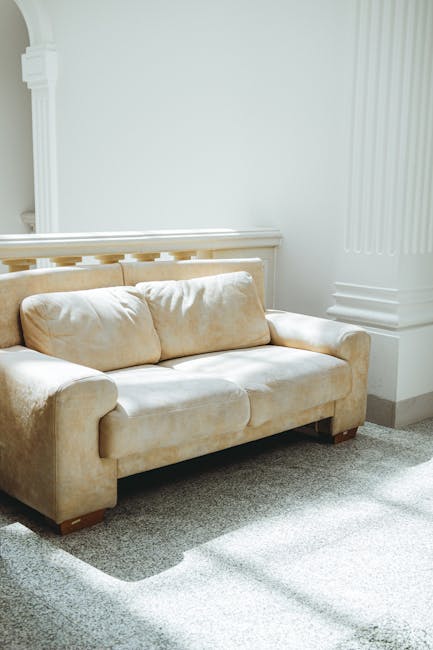
Nightingale Lane upholstery cleaning for Balham flats: a practical local guide
If you live in a flat near Nightingale Lane, you already know how quickly upholstery can collect everyday grime. A sofa cushions up crumbs, armchairs hold on to dust, and a dining chair seems to attract one coffee mark the moment you look away. Nightingale Lane upholstery cleaning for Balham flats is not just about making furniture look nicer for a weekend. It is about keeping compact homes fresher, protecting fabrics, and making the most of the space you have.
In Balham flats, furniture often works harder than it would in a larger house. Rooms are smaller, ventilation can be mixed, and pieces like fabric sofas or dining chairs tend to do double duty. This guide explains how upholstery cleaning works, what to expect, when it makes sense, and how to avoid the little mistakes that can shorten the life of your furniture. It also shows where upholstery care fits alongside other useful services such as sofa cleaning, stain removal, and deep cleaning.
Let's be honest: a flat can look tidy and still feel a bit stale if the soft furnishings are carrying old smells, dust, or traffic marks. That's where a proper upholstery clean earns its keep.
Why Nightingale Lane upholstery cleaning for Balham flats matters
Upholstery in a flat takes a beating in ways people do not always notice. A fabric sofa in a compact living room is exposed to constant use, local dust, pet hair if you have a cat or dog, and the occasional spill from dinner on the sofa because, well, life happens. In a Balham flat, you may also be dealing with narrower hallways, limited storage, and furniture that cannot just be rotated out of the room for a while.
That matters because upholstery is not just decorative. It holds on to airborne dust, skin flakes, everyday oils, and odours. Over time, that build-up can make a room feel less fresh even when everything else looks clean. If you have guests over, rent out a flat, or simply want the place to feel pleasant when you walk in after work, clean upholstery can make a surprising difference.
There is also the practical side. Fabric fibres are easier to keep in decent condition when they are cleaned before dirt settles deep into the weave. In other words, waiting too long often means more effort later. A small stain left alone can become a permanent shadow. A flat in Balham might not have the luxury of a spare room or a huge airing cupboard, so looking after what you already own is a sensible way to stretch value.
For many residents, this sits naturally alongside services like domestic cleaning or one-off cleaning, especially if you want the whole place reset rather than just one item refreshed.
Expert summary: In compact flats, upholstery cleaning is less about vanity and more about comfort, fabric care, and keeping the home feeling genuinely lived-in rather than just superficially tidy.
How Nightingale Lane upholstery cleaning for Balham flats works
The exact method depends on the fabric, the type of item, and how soiled it is, but the process usually follows a sensible sequence. A proper upholstery clean is not a case of "spray and hope". It starts with identifying what the fabric can handle. That sounds obvious, but it is where many problems are avoided.
First comes inspection. A cleaner will normally look at the material type, the condition of seams and stitching, the level of staining, and any care labels or manufacturer guidance if available. Some items tolerate moisture well; others do not. Delicate fabrics may need a gentler approach. The point is to clean safely, not aggressively.
Next comes pre-treatment. This might involve vacuuming loose debris, treating visible marks, or gently loosening embedded soil. If there is pet hair trapped in the weave, it may need a bit more attention than you would expect. Tiny details matter here. A clean that skips prep often gives a mediocre result, which is a bit pointless really.
Then the main cleaning method is applied. For many upholstery items, the approach is controlled steam or hot water extraction, used carefully so the fabric is not over-wet. For some materials, low-moisture or specialist stain treatment may be better. The goal is to lift dirt from within the fibres and then remove as much residue and moisture as possible.
Finally, the item is left to dry properly. In flats, drying time can vary depending on airflow, heating, and fabric density. A good cleaner will explain what to expect, because nobody wants to sit on a damp sofa and then wonder why it smells a bit musty later. If you want upholstery care as part of a broader property refresh, move-in cleaning or move-out cleaning can be useful companions.
Key benefits and practical advantages
The best argument for upholstery cleaning is not just that things look nicer, although that part is nice. It is that your flat feels better to live in. That is the real payoff. Here are the main benefits people usually notice.
- Better appearance: Fabric looks brighter, fresher, and less tired, especially on armrests, seat fronts, and cushion edges.
- Improved comfort: Clean upholstery feels more pleasant to sit on, particularly when dust and grit have been removed.
- Odour reduction: Everyday smells from cooking, pets, or general use can sit in fabric and linger longer than you think.
- Longer furniture life: Removing grime before it settles deeply can help reduce wear on fibres.
- Better presentation for guests or tenants: Useful for landlords, hosts, and anyone who likes a good first impression.
- More complete cleaning results: Upholstery often makes the difference between a flat that looks clean and one that genuinely feels clean.
There is also a quieter benefit: peace of mind. People often get used to a faint smell, a patchy stain, or a general dullness. Once the furniture has been cleaned, they suddenly notice how much better the room feels. You sort of wonder why you waited so long. That reaction is very normal.
For flats where the living area serves as a dining area, office, and lounge all in one, upholstery cleaning can have an outsized impact. Pairing it with window cleaning or regular cleaning can make a surprisingly large difference to the overall feel of the home.
Who this is for and when it makes sense
Nightingale Lane upholstery cleaning for Balham flats is a fit for more people than you might expect. It is not only for visible stains. In fact, some of the best times to book it are when the furniture still looks "fine" but no longer feels as fresh as it should.
This service makes sense if you are:
- a tenant wanting to keep a flat in good condition
- a landlord preparing a property between occupants
- a homeowner who has noticed smells, marks, or dullness
- a renter with pets, children, or frequent visitors
- someone moving in and wanting the place to feel properly reset
- a host looking after short-let presentation in a compact flat
It also makes sense after a run of small life events. A couple of takeaway meals on the sofa. A coffee cup nudged too close to the edge. A rainy week with damp coats drying in the hallway. Nothing dramatic. Just normal living, which is exactly how upholstery gets worn down.
If you are dealing with several issues at once, upholstery care can sit alongside pet stain odour removal, rug cleaning, or mattress cleaning. That way the soft furnishings in the whole flat feel more consistent rather than one piece looking fresh while the others still look a bit sleepy.
Step-by-step guidance
If you are planning a clean, here is a sensible way to handle it. Nothing fancy. Just the sort of process that avoids avoidable mistakes.
- Identify the item and fabric type. Check the label if there is one. Velvet, wool blends, cotton, linen, and synthetic fabrics can all behave differently.
- Look closely at problem areas. Armrests, headrests, seat fronts, and cushion edges usually hold the most dirt.
- Clear the area around the furniture. In a flat, access can be awkward. Move side tables, throws, baskets, and anything fragile before the work begins.
- Vacuum thoroughly. This removes loose dust, crumbs, and hair so the cleaner can work on embedded dirt instead of surface mess.
- Spot-test where needed. A careful test on an inconspicuous area helps reduce the risk of colour transfer or water marking.
- Apply the right method. Extraction, low-moisture treatment, or specialist stain work should match the fabric.
- Allow proper drying time. Keep windows open where practical and avoid sitting on the item too soon. It's boring advice, but it matters.
- Review the result and note any remaining issues. Some deep stains improve significantly but may not vanish completely, especially if they have been there for months.
One small but useful point: if a stain is fresh, do not scrub it hard. People do this all the time. Scrubbing can push the mark deeper into the fabric or distort the pile. Patting, blotting, and using the right treatment is far safer.
Expert tips for better results
A few practical choices can make the difference between an average clean and a genuinely good one. These are the bits people often overlook.
- Act early on stains. Fresh marks are easier to treat than old ones. Waiting tends to make cleaning slower and less predictable.
- Ask about fibre sensitivity. Not every upholstery fabric likes the same treatment. Good results start with restraint, not force.
- Keep airflow in mind. In flats, drying can be slower if windows are closed and heating is low. A bit of air movement helps.
- Use throws wisely. They are useful, but they should not become a hiding place for dirt that never gets addressed.
- Schedule around your day. If the sofa is the main seating in the flat, plan cleaning for a time when you can live without it for a few hours.
- Combine services when it makes sense. Upholstery cleaning is often more effective when grouped with carpet cleaning or steam carpet cleaning, especially in small flats where dirt travels between surfaces.
Here is a very practical tip from real-world experience: check the underside of cushions and the gaps between sections. That is where the crumbs end up. Always there. As if by magic. Cleaning those hidden spots changes how the whole piece feels.
Common mistakes to avoid
Upholstery cleaning sounds simple, which is exactly why mistakes happen. A little care goes a long way here.
- Using too much water: Over-wetting can leave marks, slow drying, and in some cases cause odours to linger.
- Rubbing stains aggressively: This can spread the mark or damage the pile.
- Ignoring care labels: What works on one fabric may be wrong for another. The label is there for a reason.
- Forgetting about drying: A clean item that stays damp too long can develop a musty smell.
- Trying the wrong product first: Strong domestic sprays can set stains or leave residue behind.
- Cleaning too infrequently: Letting dirt build up makes the job harder and usually less effective.
One of the biggest mistakes in flats is cleaning without thinking about ventilation. A ground-floor flat and a top-floor flat will not dry in exactly the same way. Even room layout matters. If your sofa is tucked against a cool external wall, it may need a little longer to dry. Not a disaster, just worth planning for.
Tools, resources and recommendations
You do not need a huge toolkit to look after upholstery, but a few sensible items and habits help a lot. For basic maintenance between professional cleans, the following are useful:
- a vacuum cleaner with an upholstery attachment
- a soft fabric brush for lifting dust and crumbs
- clean white cloths for blotting spills
- an inconspicuous testing spot for any treatment
- good natural airflow when drying is needed
For more involved jobs, the right equipment matters more than people realise. Professional upholstery cleaning often depends on controlled extraction, measured pre-treatment, and fabric-specific methods. It is not really the sort of task where guesswork pays off.
If the flat also needs broader refreshing, consider whether a more general service such as house cleaning or communal area cleaning is part of the picture. In flats with shared entrances or narrow hallways, these areas can affect how clean the home feels before you even step inside.
Practical takeaway: the best results usually come from combining regular vacuuming, prompt stain care, and occasional deep upholstery treatment. Simple, but effective.
Law, compliance, standards, or best practice
For most residents, upholstery cleaning is a practical home-care service rather than a regulated specialist activity. Still, there are sensible standards and expectations worth keeping in mind, especially in rented flats or shared buildings.
First, fabric care should be carried out responsibly. That means using appropriate methods for the material, handling moisture carefully, and treating the property with respect. If a cleaner is working in a flat building, they should also be mindful of access, noise, and shared spaces.
Second, if you are a tenant or landlord, it is smart to check tenancy obligations, inventory expectations, and any property condition requirements before booking work. I am deliberately keeping that general, because details vary. But in practice, a clean sofa or armchair can support a better handover, particularly at the end of a tenancy.
Third, look for sensible business practices: clear pricing, transparent terms, and proper safety awareness. If you want to know more about how a company approaches this, it is worth reviewing pages such as insurance and safety information, health and safety policy, and terms and conditions. Those pages do not clean the sofa, obviously, but they do tell you a lot about how the company works.
Good practice also includes respecting privacy, payment security, and property access. That might sound basic, yet it is exactly the sort of thing people appreciate when the job is being done in a busy London flat with people in and out. There is no drama required. Just tidy, professional handling.
Options, methods, and comparison table
There is more than one way to clean upholstery, and the best method depends on fabric, soil level, and drying constraints. In a Balham flat, speed of drying can be just as important as cleaning power.
| Method | Best for | Strengths | Limitations |
|---|---|---|---|
| Vacuum and spot clean | Light maintenance and small fresh marks | Quick, low-cost, good between deeper cleans | Will not remove embedded dirt |
| Hot water extraction | Many fabric sofas, chairs, and soft furnishings | Deep soil removal, strong refresh, good for general use | Needs drying time and careful moisture control |
| Low-moisture cleaning | Softer fabrics or rooms that need faster turnaround | Faster drying, useful in smaller flats | May be less intensive on heavy soil |
| Specialist stain treatment | Specific marks such as drinks, food, or pet-related stains | Targeted approach, often good for visible problem spots | Results vary depending on how long the stain has been there |
If you are deciding between a light refresh and a deeper service, think about two things: how much dirt you can see and how the room smells. A sofa can look acceptable but still hold enough odour to make the room feel off. That is usually the tipping point.
When upholstery cleaning is part of a wider reset, it can make sense to pair it with end of tenancy cleaning or move-in cleaning. Those services can complement each other rather neatly in a flat that needs to feel fresh from the threshold inward.
Case study or real-world example
Picture a two-bedroom flat off Nightingale Lane with a fabric corner sofa, two dining chairs, and one armchair near the window. Nothing wildly unusual. The sofa had a few pale marks on the armrest, a bit of dullness around the cushions, and a faint cooking smell that clung to the fabric after dinner. Not terrible. Just noticeable.
The cleaning started with vacuuming and a careful check of the fabric type. The armchair was in better shape, but the sofa took the attention because it was the main seating area. A light pre-treatment was used on the armrests and seat fronts, followed by a controlled extraction clean. The dining chairs needed a gentler pass because they had a finer weave. One stain near the cushion seam improved a lot, though it did not vanish completely. That happens sometimes, and it is better to be honest about it.
After drying, the room felt lighter. The fabric looked less flat, the odour had dropped, and the whole place seemed a bit more presentable. Nothing magical. Just noticeably better. The resident, if we are being plain about it, said the flat felt like itself again. That is usually what people are after.
This kind of result is especially useful when upholstery care sits alongside one-off cleaning or deep cleaning. You do the high-impact jobs together, and the flat benefits all at once.
Practical checklist
Use this simple checklist before and after your upholstery clean. It keeps the process calm and avoids the usual last-minute scramble.
- Check the fabric type or care label
- Identify visible stains, odours, and wear points
- Move side tables, lamps, and fragile items out of the way
- Vacuum cushions, seams, and hidden edges
- Ask how drying will be managed in your flat
- Confirm whether the furniture needs a gentle or deep method
- Keep pets and children away while the item dries
- Do not sit on the furniture too soon
- Blot new spills rather than rubbing them
- Plan follow-up cleaning before dirt becomes embedded again
If your home is due a broader tidy-up, it can also help to review related services such as curtain cleaning or oven cleaning. They may seem unrelated, but together they can make the flat feel properly sorted rather than half done.
Get a free quote today and see how much you can save.
Conclusion
Nightingale Lane upholstery cleaning for Balham flats is one of those practical jobs that pays off quietly. It refreshes the room, helps protect your furniture, and makes smaller homes feel more comfortable to live in. In a flat, soft furnishings are not background detail. They are part of the atmosphere, the smell, the first impression, the whole lot.
If you stay on top of spot care, choose the right method for the fabric, and give items enough time to dry properly, you will usually get a result that feels well worth it. And if the job needs a deeper, more careful approach, that is perfectly normal too. Better to deal with it properly than to keep pretending the stain is "not really visible". We have all done that, to be fair.
When a flat feels fresh underfoot and soft to the touch, the whole place settles. That is a good feeling. A very good one.
Frequently Asked Questions
How often should upholstery be cleaned in a Balham flat?
It depends on use, fabric type, pets, and whether the flat has heavy daily traffic. Many people arrange a deeper clean when the furniture starts to look dull, smell stale, or show visible marks, rather than waiting for a fixed date.
Is upholstery cleaning suitable for small flats with limited ventilation?
Yes, but drying time needs more thought. A careful method and decent airflow matter more in a smaller flat, especially if windows do not open fully or the room is warm and compact.
Can upholstery cleaning remove old stains?
Often it can improve them significantly, but results depend on the stain type, how long it has been there, and what the fabric is made from. Very old stains may lighten without disappearing completely.
Will upholstery cleaning leave my sofa wet?
A properly carried out clean should not leave the item soaking. Some dampness is normal after extraction-based cleaning, but the goal is controlled moisture and sensible drying time, not a soggy sofa.
What types of furniture can usually be cleaned?
Fabric sofas, armchairs, dining chairs, footstools, and some other soft furnishings are commonly cleaned. The exact approach depends on the material and condition, so a quick inspection comes first.
Is steam cleaning always the best option?
Not always. Steam or hot water extraction can be very effective, but some fabrics need a lower-moisture or more delicate method. The best choice depends on the item, not the label on the machine.
Should I book upholstery cleaning before or after a move?
If you are moving out, a clean can help the flat present better and support end-of-tenancy expectations. If you are moving in, it can be a good way to make the new space feel fresh from day one.
Can upholstery cleaning help with pet smells?
Yes, it can help a lot, especially when paired with proper odour treatment. Pet smells tend to settle into fabric fibres, so surface cleaning alone is often not enough.
What should I do before the cleaner arrives?
Clear nearby items, vacuum if you can, identify problem areas, and make sure there is room to reach the furniture. It also helps to flag any delicate fabric, old repairs, or recent spills.
How long does upholstery take to dry in a flat?
Drying time varies with fabric, room temperature, airflow, and how much moisture was used. In a flat, it can take longer than people expect if the room is cool or the furniture is dense.
Is there a difference between sofa cleaning and upholstery cleaning?
Yes, though they overlap. Sofa cleaning focuses on sofas specifically, while upholstery cleaning covers a wider range of fabric-covered furniture and soft furnishings. If you have several items, upholstery cleaning is usually the broader option.
What if my furniture is badly worn or faded?
Cleaning can still help with dirt and odours, but it will not reverse ageing, sun fading, or fabric wear. In those cases, the result may be a fresher-looking item rather than a brand-new appearance.
If you are ready to restore the feel of your flat, a careful upholstery clean is a very sensible place to start. Small improvement, big difference. That's often how it goes.